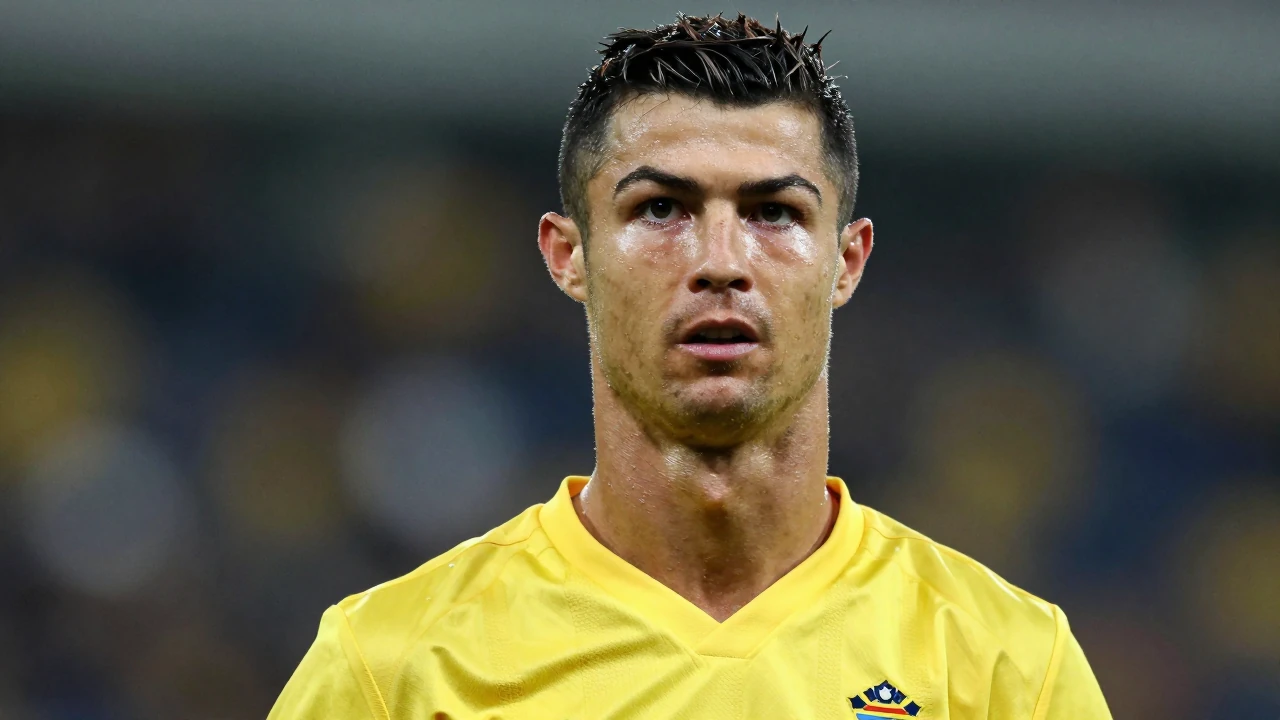
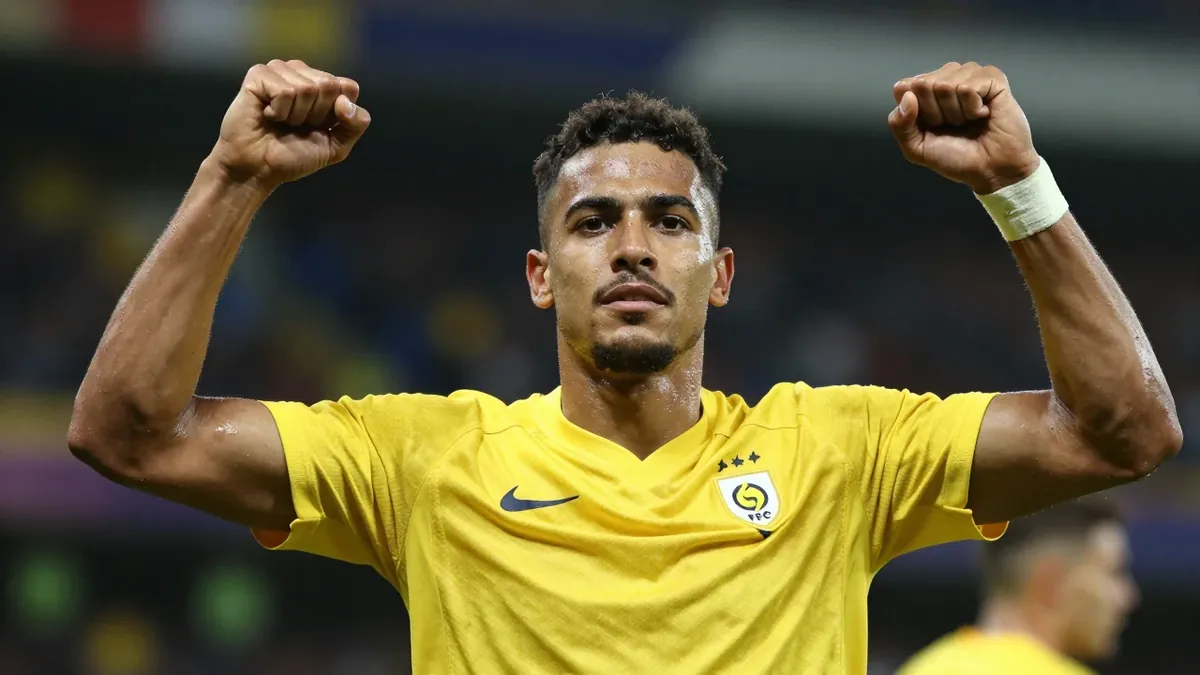
Le Mans FC conducted a notably frugal summer transfer window upon its return to Ligue 1, according to an analysis published this week by L'Equipe Football. The Sarthe-based club spent only around one million euros on eleven new signings, a modest sum that stands in stark contrast to the spending of some of its rivals.
This financially prudent approach comes amid a challenging start to the season. After two matches, Le Mans FC sits 13th in the league table with just one point from a draw and a loss. The team has scored four goals but conceded five, resulting in a -1 goal difference. They already trail league leaders AS Monaco by five points.
The club's strategy is clear: rigorous financial management. For a total of eleven new arrivals, the investment is limited to one million euros. The most notable signing is Senegalese striker Habib Diallo, acquired from FC Metz for a fee estimated at 500,000 euros. The club also bolstered its attack with Mafouta. These moves illustrate a desire to recruit effectively without committing to excessive spending.
The model championed by Le Mans FC's leadership is inspired by that of Le Havre AC. The latter club conducted a very economical transfer window the previous season, paying for only one of its fourteen arrivals despite losing seventeen players. Le Mans' goal is to establish itself in the French top flight by following a similar trajectory, based on measured growth and sustainable management.
The Ligue 1 transfer landscape shows striking contrasts. At the opposite end of the spectrum from the frugal model, Paris FC recorded a transfer deficit exceeding 70 million euros this winter, spending behavior the report compares to Paris Saint-Germain's after QSI's arrival in the 2010s. Only three French clubs spent more than they earned in that period: Le Havre (-1.5 million), Auxerre (-7.85 million), and Paris FC.
Other clubs adopted different strategies. RC Strasbourg was extremely active with over fifty player movements (23 departures and 29 arrivals), a overhaul linked to its integration into the Blue Co ecosystem and a 'filialisation' process with Chelsea. This frenetic activity generated a positive transfer balance of approximately 100 million euros, notably through the sale of Diego Moreira to AC Milan for 50 million.
AS Monaco completed its transfer window by focusing on Ligue 1-produced players, with arrivals like Matthis Abline (25 million euros from Nantes), Mathys Detourbet, and Sadibou Sané. Monaco's recruitment campaign, however, was marked by some late-window confusion, with the collapsed transfers of Folarin Balogun to Everton and Lamine Camara to Chelsea.
Stade Brestois completed an interesting deal by signing Mamady Diambou from Red Bull Salzburg for a fee reportedly under two million euros. Also, Grégory Lorenzi, the former sporting director of Brest and Marseille, orchestrated a Marseille transfer window described as 'improbable' with, in his own words, 'aucun recrutement' (no recruitment). These varied approaches show the diversity of philosophies at play in the league. To compare these teams' statistics, visit our dedicated standings page.
Le Mans FC, now under the control of an investment fund, is therefore approaching its Ligue 1 season with humility and ambition. After a spectacular rise of two divisions in two seasons, the club is betting on stability and gradual growth. Fans can explore the exact squad composition on our squad page. The first major test is the match away to Nice, scheduled for September 5, 2026.